

 Written by: Croatian Roots Editorial Team
Posted on: October 19, 2026
Croatian Civil Registry Offices and Records After 1946
Parish books carry a Croatian family history back through the centuries, but a century of it sits somewhere else. After 1946, births, marriages and deaths were recorded by the state, in registers kept by civil registry offices, and the documents you need for a modern…
 Written by: Croatian Roots Editorial Team
Posted on: October 19, 2026
Searching ARHiNET and FamilySearch for Croatian Records
Croatian parish registers are gradually moving online, and two systems carry most of the weight: ARHiNET, the Croatian archives’ own information system, and FamilySearch’s collection of Croatian church books. They answer different questions. ARHiNET helps you find which register exists and, for some places, view…
 Written by: Croatian Roots Editorial Team
Posted on: October 19, 2026
The Croatian State Archives and Regional Archives: Who Holds Your Register
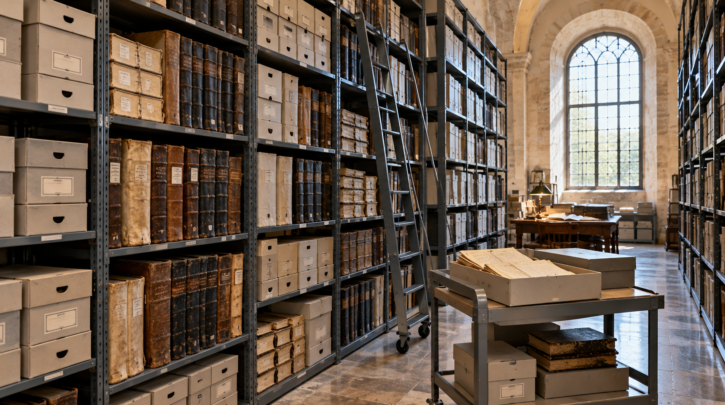
Once you know the parish and the period, the question becomes who holds the book. In Croatia the answer is rarely one place. The Croatian State Archives in Zagreb hold a large collection of registers, regional state archives hold others, some parishes still keep their…
 Written by: Croatian Roots Editorial Team
Posted on: October 19, 2026
How to Read a Croatian Parish Register Entry
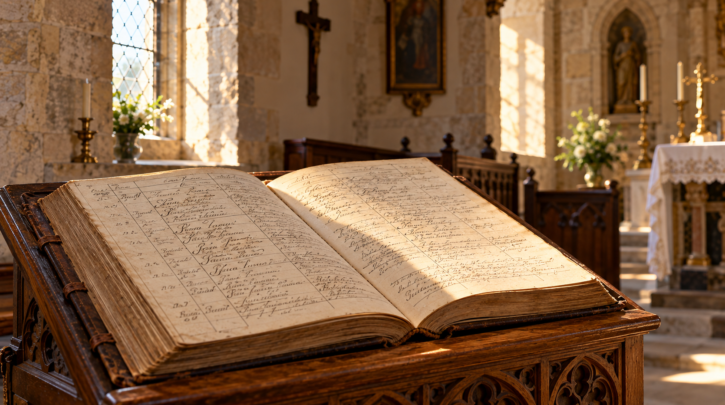
A Croatian parish register is a dense little document. One baptism line can name the child, the parents, their village and the godparents, but only if you can tell which column is which and which language you are reading. This guide explains what a Croatian…
 Written by: Croatian Roots Editorial Team
Posted on: October 19, 2026
Croatian Genealogy: A Complete Guide in Five Layers
Croatian family research goes wrong in a predictable way: a name is searched in the wrong register, in the wrong language, in the wrong archive. The way out is to treat every search as five layers that must line up, and to work through them…