
 Written by: Croatian Roots Editorial Team
Posted on: October 19, 2026
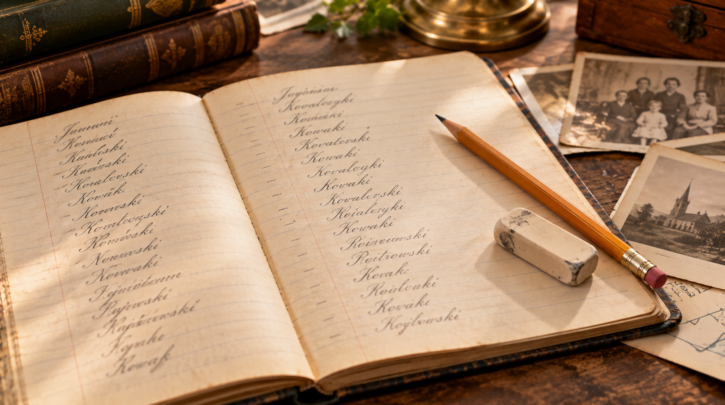
Spelling Variants of Croatian Surnames: -ić, -ich, -ics and More
The Croatian surname you are searching for may appear in the records under a spelling that looks like a different family. Croatian surname spelling varied with the language of the record, with the clerk’s alphabet, with the passport office and sometimes with the family’s own…
 Written by: Croatian Roots Editorial Team
Posted on: October 19, 2026
Croatian Place Names and Gazetteers: Finding the Right Village
A village in a Croatian register may be spelled in four ways: the Croatian form your family uses, an Italian form from the coast, a German form from the Austrian period and a Hungarian form from the Hungarian half of the monarchy. Each is the…
 Written by: Croatian Roots Editorial Team
Posted on: October 19, 2026
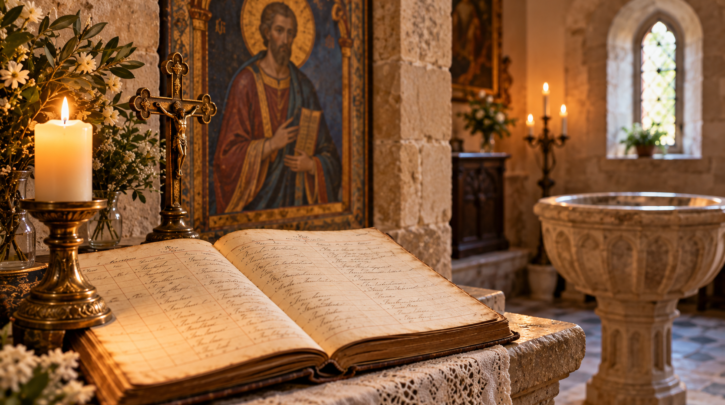
Croatian Given Names and Saints’ Names in Church Records
Croatian given names reach a genealogist twice, once in the form the family used and once in the form a priest wrote. The two can look unrelated: an Ivan at home is often a Joannes in a Latin register and a Johann in a German-language…
 Written by: Croatian Roots Editorial Team
Posted on: October 19, 2026
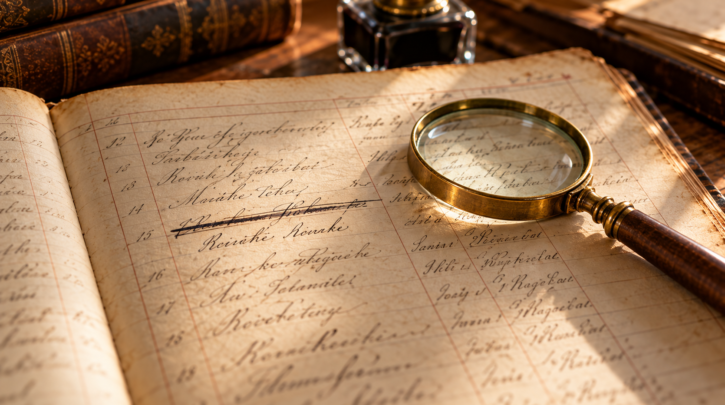
Italianized and Original Croatian Surnames: The 1926 Decrees
If your family came from Istria, Rijeka or Zadar and its surname in the 1930s looks Italian, the name may not be the one your ancestors were born with. In the years after 1926, Italy ordered the Italianization of German, Slovene and Croat surnames in…
 Written by: Croatian Roots Editorial Team
Posted on: October 19, 2026
Croatian Surnames: Origins, Endings and Regional Patterns
A Croatian surname often tells a story in a single word, but it is easy to misread. The most familiar ending, -ić, simply means descendant of; it does not mean noble, and it does not mean a Croatian family, because neighbors share it. This guide…